Site DPSC3
Delivering benefits for the community and nature
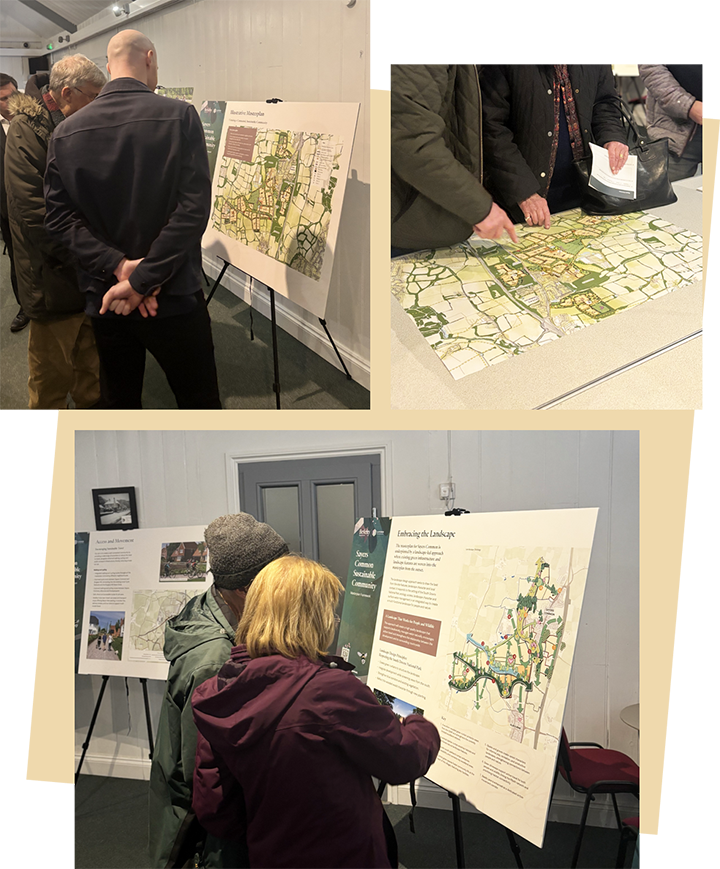
We are currently preparing emerging proposals for Site DPSC3: Land to the South of Reeds Lane. This includes our vision for how the site could be developed, following feedback from the local community.
This will introduce key features of the development, including site access points, movement through the site, areas of landscape and those designated for development, and the key land uses, activities and features of the development, bringing together a holistic community.
We are keen to hear your views as we continue to refine the plans.
Key features
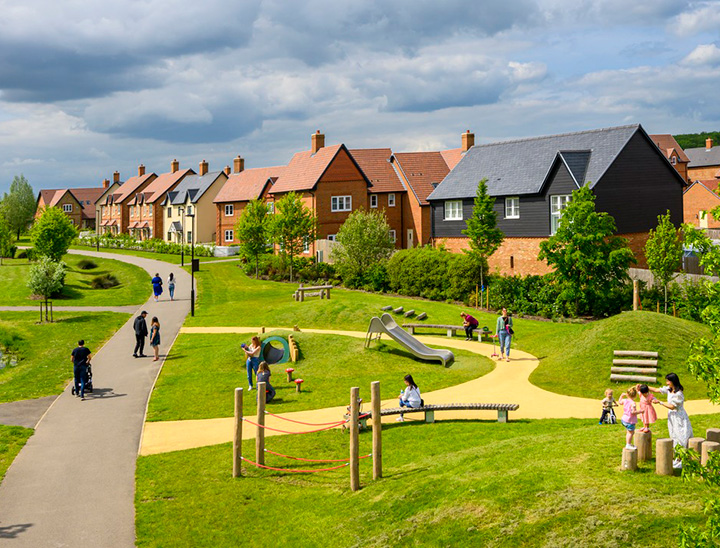
New homes, community areas and open green space
Our proposals for the Land to the South of Reeds Lane (Site DPSC3) include:
Sustainable travel
- New walking and cycling links to connect the new community with surrounding areas.
- New mobility hubs providing cycle hire and storage, alongside new bus services.
Community facilities
- A new neighbourhood centre with shops, café, multi-use community hall and co-working facilities.
Education provision
- New primary and secondary schools for the local community
Access to green space
- Large areas of public open space, including woodland, play areas, community amenities and spaces, and habitats for wildlife.
Sustainable living
- Up to 2,000 high quality homes, alongside support facilities, delivering 30% affordable homes in an area where affordability is a challenge.
Previous engagement
Responding to community feedback
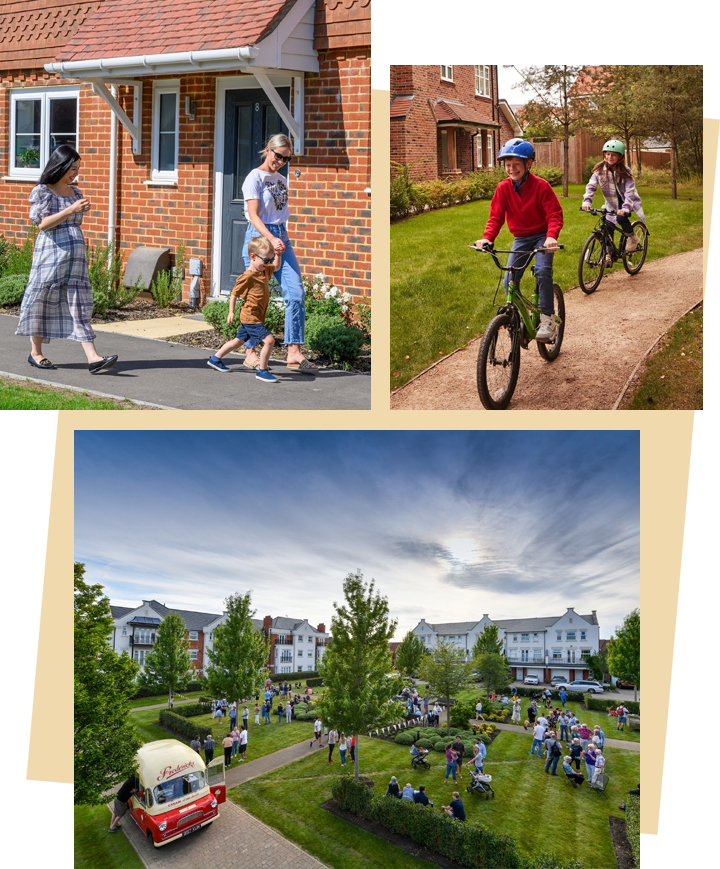
Previous engagement identified a number of key issues and priorities raised by residents and stakeholders, which have helped shape the emerging masterplan proposals. The evolving design seeks to respond directly to this feedback through a series of amendments and enhancements across the site.
Transport and connectivity were recurring themes throughout the consultation process. In response, the proposals now include a more holistic transport strategy, incorporating additional measures such as a proposed cycle route connecting the site to Hassocks, the realignment of Reeds Lane, and improved pedestrian and cycle connectivity between the development and Sayers Common.
Residents also raised concerns regarding drainage and flood management. In response, the proposed sustainable drainage strategy has been strengthened, including an increase in the provision of SuDS ponds and wider green infrastructure designed to support water management and biodiversity enhancements across the site.
The location and relationship of the proposed neighbourhood centre to Sayers Common was another important issue highlighted during engagement. Following feedback, the neighbourhood centre has been repositioned to improve accessibility and strengthen integration with the existing settlement.
The consultation also highlighted the importance of green space, community infrastructure and local character. As a result, the proposals place significant emphasis on landscape-led design, connected open spaces and new amenities to support a sustainable community. The design approach has also been informed by a detailed study of the surrounding settlements, including Sayers Common, Hurstpierpoint and Albourne, helping to shape the emerging layout, character and material palette of the development.