Our vision
Creating a connected sustainable community
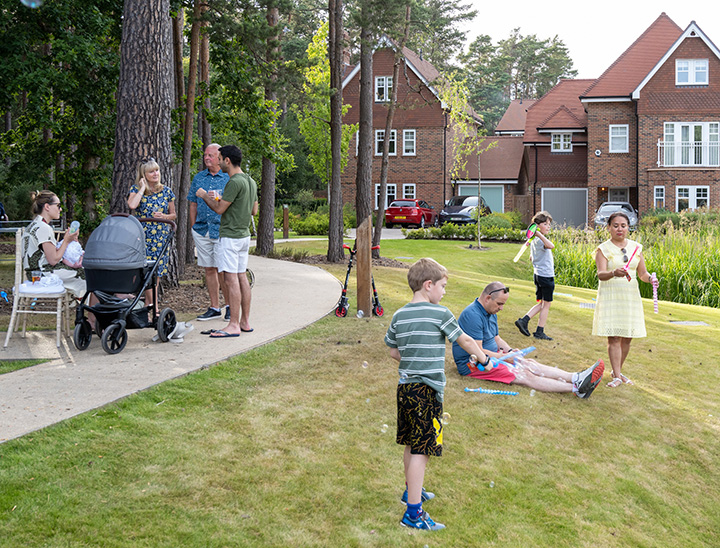
Our vision is to create a connected and sustainable community at Sayers Common, where the village and proposed new neighbourhoods grow together through thoughtful masterplanning, creating a strong sense of place and providing residents with enhanced amenities, while safeguarding the things that are valued most about the area.
The emerging Masterplan Framework promotes greener living to help achieve net zero carbon ambitions and support local wildlife, and the provision of new amenities to help residents access the things they need closer to their homes. This approach will encourage healthier, more connected lifestyles by supporting local and active living, improving wellbeing, fostering thriving communities and vibrant local businesses, and contributing to a more sustainable future.
Shaped around five Vision Pillars, the emerging Masterplan Framework reflects early engagement feedback and the priorities agreed through the Liaison Group workshops.
Vision Pillars
Enhancing the area for people and wildlife
1. Nature in harmony
A place that exists in harmony with nature and wildlife
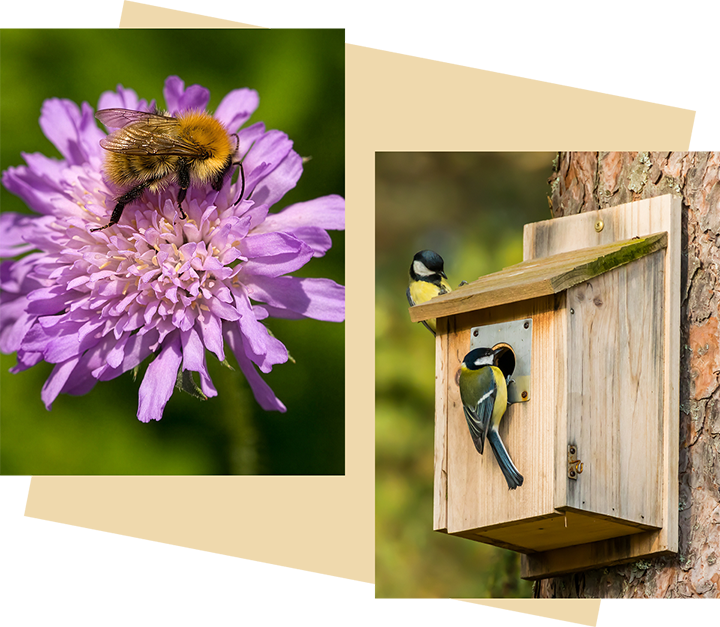
Our approach enhances existing wildlife habitats, woodland, hedgerows and wet areas, and will create new areas of diverse habitat with the objective of supporting wider landscape-scale recovery projects. This includes opportunities linked to the ‘Lost Woods’ and ‘Weald to Waves’ initiatives. We are exploring:
- Wildflower meadows and woodland edges.
- Connected green corridors for wildlife.
- Wildlife-friendly design including hedgehog highways and swift boxes.
- Habitat preservation and dark-sky principles.
- Ponds and wetland areas to improve drainage and create habitat for wildlife.
2. Connected living
Empowering the community to achieve a 20-minute neighbourhood lifestyle
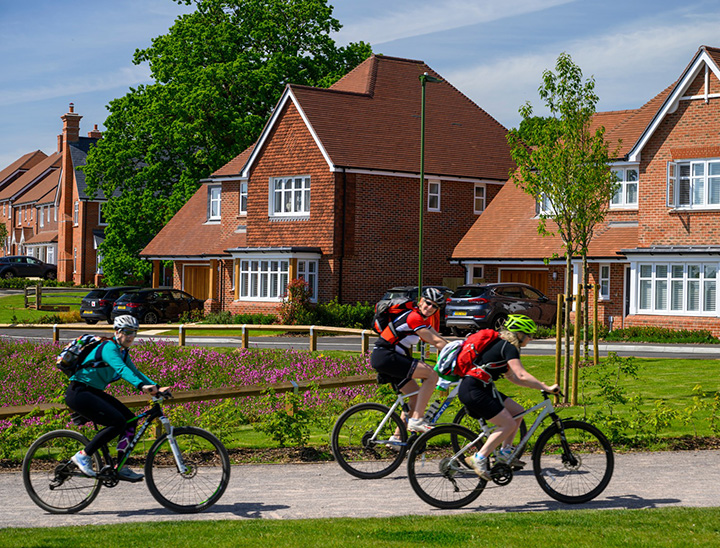
The emerging masterplan considers how future and existing residents can access daily facilities safely and conveniently by walking, cycling, wheeling and public transport. Initial proposals include:
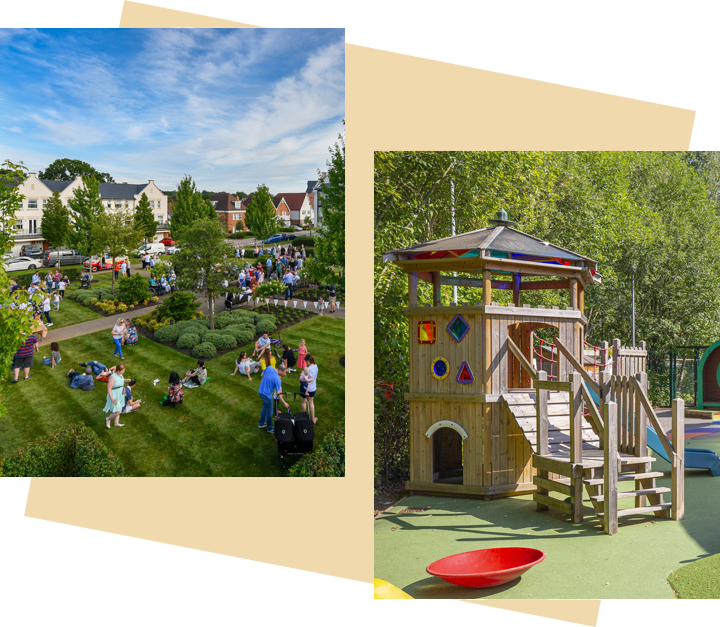
- A centrally located neighbourhood centre serving new and existing communities.
- Flexible indoor space for health, childcare and community use.
- Opportunities for local shops, cafés, co-working and social spaces.
- EV charging, digital infrastructure and strong broadband provision.
- A new all-through school and nursery providing education and nursery facilities for the local community.
3. Place integrity
Shaping a place that respects and enhances its setting
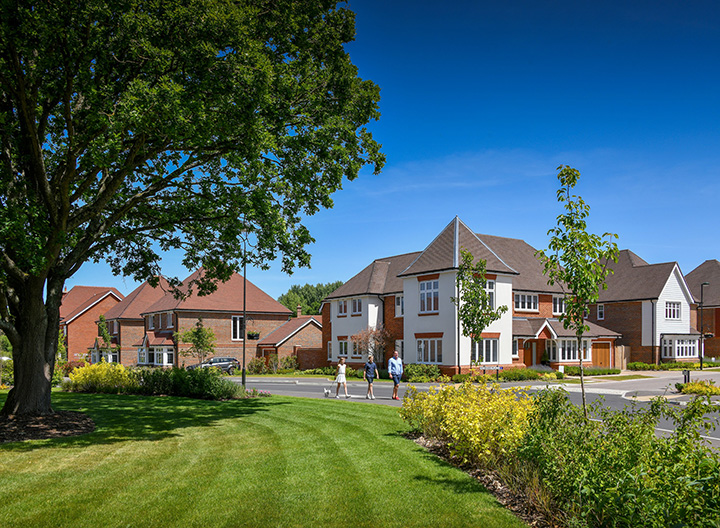
Early conversations emphasised the need for development to be in keeping with the area and respectful of local identity. Our design approach draws on local materials, settlement patterns and the rural character of the Low Weald. We are considering:
- Varied architectural styles reflecting Sussex character.
- Low building heights in areas currently considered rural.
- Interpretation of local heritage, such as traditional field patterns.
- Strengthened green edges to maintain separation between settlements.
4. Active movement
Supporting safe, accessible journeys and healthier travel choices
Initial engagement identified concerns about traffic, cumulative impacts and the risk of rat-running through Reeds Lane and surrounding roads. The emerging movement strategy explores:
- A 20mph rural zone.
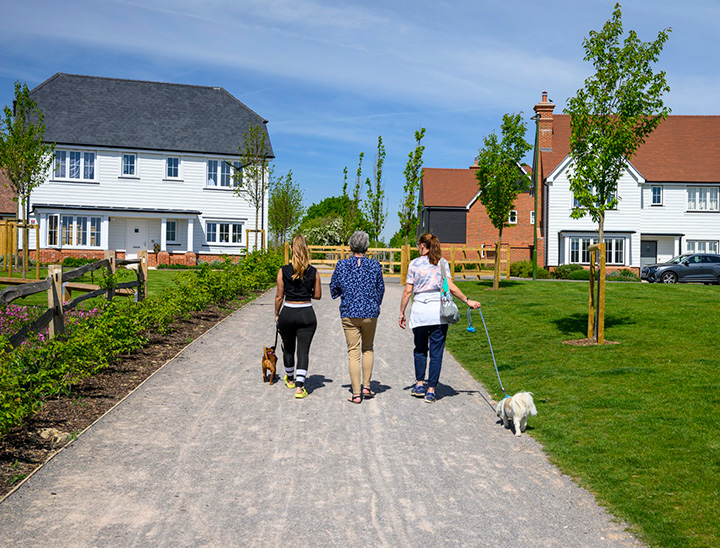
- Safe walking and cycling connections.
- Early delivery of active travel routes.
- Traffic calming features and safer crossing points.
- Mobility hubs and improved bus connections provide shared transport points and better bus links for easier travel around the village.
5. Healthy homes
Delivering homes that support a diverse and thriving community
Our early thinking includes:
- A mix of new homes for families, younger people and older residents.
- Affordable housing to help meet local need across Mid Sussex.
- Private gardens or outdoor space for all houses, with shared or communal outdoor areas considered for flats and apartments.
- Modern, energy-efficient homes designed to the Future Homes Standard.
- Opportunities for supported housing and accessible homes.